The health and wellness industry is now estimated to be a $4.2 trillion industry and growing.
The luxury side of the industry alone is BIG, and includes everything from weight loss, natural beauty, exercise, sleep aids, supplementation, mobile apps, fitness wearables, workplace wellness, food delivery services, holistic healthcare and, yes, even jade eggs. Beyond that, the industry includes all activities that promote wellness, physically or mentally.
Wherever your business falls in this spectrum, it’s important to reach your customers and continue to grow. In order to do this, you need to be able to keep up with the current marketing trends. How many of these trends are you already implementing? If it’s not most of them, then it’s time for a brand check-up!
Build brand identity
This is how you are seen by the public, so ask yourself what you want to be known as: is it a no-BS facility with simple services, a warm primary care spot for the whole family, or a serene retreat for aesthetics and IV treatments? Maybe it’s a gym that provides an environment of escape from the busy city, an elite training center for athletes, or a fitness center flaunting feminine empowerment? It’s your specific sense of self in your business that you want to convey to the world.
From there, build your marketing toolkit of essentials with your ideal target audience in mind. This includes but is not limited to logo, color, theme, design, and taglines that all fit your audience’s ideals. From there, ensure everything you put out into the world related to your business is on brand! This means your website, socials, flyers, and all of your content. If you are reading this and getting worried that your brand creation didn’t follow these steps, take a breath! This is where rebranding can help, and it’s not as hard as you think.
Create a User Experience
Visual messages that are relatable and interesting will continue to be a strong way to connect to consumers. Giving them a way to connect emotionally to your content will make a longer lasting impact than not.
Well+good’s instagram feed is amazing at this. They are a wellness brand that aims to provide mind and body health education while promoting positive self care. They have recipes, exercise videos, shopping tips, organizational advice, and more. On Jan 18, they shared a visually clear post of a stop sign with the added text below “STOP” of “negative thinking”. It is complete with eye-catching sparkles yes, but the interesting and relatable message helps promote inward positivity on brand during a month that is hard for their audience in particular: January New Year’s resolutions. It’s a time health conscious consumers are consumed with the idea of weight loss. While they aren’t disputing the notion of working on your best self, they make a stand that it doesn’t have to come with self-hate. They link the consumer to educational resources about cognitive behavioral therapy techniques and stay on brand to help their viewers stay positive, well and good.
Leverage Video
You likely have seen this trend as you’ve been scrolling through your feeds- the majority of ads are now using video. Brands on social media also are incorporating video into their pages to keep up with the trends. Streaming video made up ⅔ of all internet traffic in 2018- and this number is expected to reach 82% by 2022.
Video helps drive more traffic to sites and platforms, helps increase the time-on-page, and drives conversion rates. This must be why video is now part of increasing SEO. Besides the aesthetic appeal and increased shareability, video is a way to connect with customers at a personal level. Andrew Davis, a best selling author and marketing expert says it best, “Video builds relationships. Relationships build trust. Trust builds revenue”. Unless part of your brand is talking informally with vlogging to your consumers, partner with a trusted video production agency or find freelancers to help create professional videos for your use.
If you offer a product, a video call to action (CTA) on your website is the new must, such as “watch a demo” to engage your viewer and lead to a more likely buy-in. Already doing this, you SOAPerstar you? Consider creating a branded video series that is relevant to your market, nurturing the online following you have already created and building your authority in the community.
Authenticity
59% of consumers say authenticity makes them more likely to follow a brand. This is where the micro-influencer can come into play. They are viewed as experts in their scene and more relatable to consumers. 85% of consumers trust peer recommendations more than a brand’s ad. This means ambassador programs can be helpful here as others can relate more to your product. They see it’s helpful for those they admire and follow, it’s another level of trust you can’t create another way. Not only are celebrity influencers much pricier options to partner with (think $250K per post), they are seen now as less authentic to the average customer.
Social media is not optional anymore
In 2017 there were 400 million daily active Instagram users, in 2019, over 500 million daily. 62% of millenials are more loyal to brands that engage them with social messaging. This is an easy way to stay up to date with your potential customers and connect on the avenue they are already traveling. These are very active travelers as well. 75% of Instagram users take action such as clicking on the website link after seeing an ad. This makes sense if you want to invest your advertising budget into this platform, as the ROI can be high — just make sure you’re tracking the results of course.
Make sure your sending list is up to date! Clean house and be sure to remove the undeliverables and duplicates. Utilize email automation to help make your life easier and help with your content creations if you are just getting started. If you use email marketing just be sure to not overload your recipients. Never more than once per day and, even better, less than once per week depending on your product.
Ensure your emailing is relevant and interesting- personalization streamlined to target their interests is helpful as well. No one wants to read something that doesn’t apply to them! You can even add interactive ways to increase engagement, such as surveys, polls in which you ask their opinion or ask them to write a review. Don’t underestimate humor too, GIFs can be a great way to be eye catching and emphasize your message. Bonus if it makes the recipient want to share it.
Target your audience
Make sure to refine who your audience is. Gym instructors and trainers may be able to help any human with muscles, but odds are there is a subgroup they have more experience with. Helping an underweight post-chemotherapy male gain muscle mass has different plans than helping menopausal women lose fat and adapt to changing hormone levels. In medicine, even primary care providers, while positioned to see everyone, are not going to be as successful if they try to market to everyone!
Often there are specific cases a practitioner likes to see, such as a particular type of patient or injury. It can even be a certain treatment they really enjoy using, or know is profitable. While you are still likely to get a little bit of everything through the door in primary care no matter how you market, advertising your success in weight loss and increased energy by being a thyroid expert will keep the schedule filled with relevant patients– ones that will also have primary care needs you can meet.
Is your website mobile friendly?
If you’re doing your marketing right, many people will land on your website using their mobile device because they have been directed there from one of your awesome funnels. You want to put your best foot forward and show off your product, so make sure your website format isn’t getting in the way of that. Plus, we know SEO is affected by how mobile friendly a site is (see my SEO blog for more information). Make sure your emails are optimized for mobile as well, because over 66% of email is read on the go!
Online Reviews for success now and later
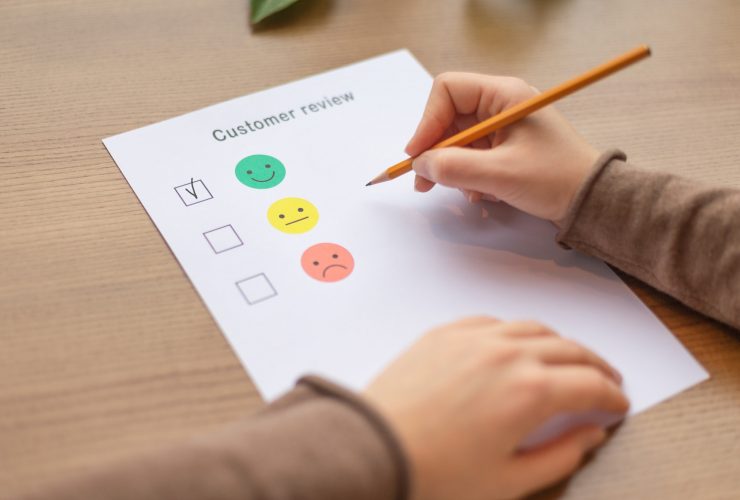
The next best thing to being able to ask your friend about their experience: reviews! 88% of customers will read online reviews before making their buying decision. Google business, Facebook, Yelp, and more — you need to make sure that you are averaging positive.
Quality isn’t all that matters here: quantity is really important for now and later. Obviously looking good by way of a lot of people liking your product is great, but even better is creating a safety buffer for yourself. Let’s say you get really busy with other parts of your business and have some gaps of time before you come back to monitor your reviews, and in that time someone has left you a nasty review. True or not, the negative review will calculate into your average rating. Having many positive ones makes the impact less severe. Also be sure to address the negative review. See my post on that here: [insert link].
Let’s check-in: is your brand squeaky clean? Did you make sure to use all these tips while washing? What other marketing trends are you using to help your wellness brand grow and succeed?
Landers, Linda. “5 Strategies for Successful Health and Wellness Marketing .” Business 2 Community, www.business2community.com/health-wellness/5-strategies-for-successful-health-and-wellness-marketing-02114137.
Schwanke, Ali. “Social Media and the Fitness Industry: Statistics You Need to Know.” Simple Strat, blog.simplestrat.com/social-media-and-the-fitness-industry-statistics.
State of Video in Business Report. State of Video in Business Report, Vidyard, 2019.
“5 Successful Ideas For Health And Wellness Marketing.” WOWbix, wowbixmarketing.com/health-wellness-marketing-ideas/.
“7 Ways To Market Your Wellness Center.” Wellness Living, www.wellnessliving.com/knowledge-sharing/wellness-center-marketing-strategies/.
“Health and Wellness Marketing Strategies: The 9 Essentials That Guarantee Growth.” Healthinomics, www.healthinomics.com/health-and-wellness-marketing-strategies/.
“The Health & Wellness Industry Is Now Worth $4.2 Trillion.” Medium, BRAND MINDS, medium.com/manager-mint/the-health-wellness-industry-is-now-worth-4-2-trillion-866bf4703b3c.